
- Home
- About
- Services
- Specialists
- Research
- Achivements
- gallery
- contact




- Home
- About Us
- Orthopedics
- Know Your Alignment
- Sports Medicine
- Knee
- Arthroscopic ACI Cartilage Transplant
- Arthroscopic ACL Avulsion Fixation
- Arthroscopic ACL Primary Repair
- Arthroscopic ACL Reconstruction – All Inside Technique
- Arthroscopic ACL Rehab
- Arthroscopic ACL Revision Surgery
- Arthroscopic ACL Single Bundle Reconstruction
- Arthroscopic assisted MPFL Reconstruction
- Arthroscopic assisted Multiple Ligament Tear – SURGERY
- Arthroscopic Medial Meniscal Repair
- Arthroscopic OATS Chondroplasty
- Arthroscopic OCD Fixation
- Arthroscopic Paediatric ACL Reconstruction
- Arthroscopic PCL Avulsion Fixation
- Arthroscopic PCL Reconstruction
- Arthroscopy Assisted STEM Cell Cartilage Transplant
- PCL Rehabilitation
- Total Knee Replacement
- Shoulder
- Arthroscopic Rotator Cuff Repair
- Arthroscopic Bankart Repair
- Arthroscopy Assisted Latarjet Surgery
- AC Joint Fixation
- Arthroscopic Capsular Release
- Arthroscopic Sub – Acromial Decompression (SAD)
- Arthroscopic Calcific Tendinitis Excision
- Arthroscopic Biceps Tenodesis
- Arthroscopic SLAP Repair
- Arthroscopic Revision Cuff Repair
- Arthroscopic Revision Bankart Repair
- Shoulder Rehab
- Elbow
- Wrist
- Hip
- Ankle
- Our Specialities
- Cardiology
- Gastroenterology
- Radiology
- Internal Medicine & Diabetology
- Anesthesiology & Intensive Care Unit
- Neurology
- Nephrology
- Urology
- Oncology
- Rheumatology
- Endocrinology
- General Surgery
- Laparoscopic Surgery
- Podiatric / Diabetic Foot Clinic
- Obstetrics & Gynecology
- ENT
- Plastic & Cosmetic Surgery
- Paediatrics
- Pulmonology
- Psychiatry
- Vascular Surgery
- Dermatology
- Oral and Maxillofacial Surgery
- Our Services
- Resource
- Enquiry
- Home
- About Us
- Orthopedics
- Know Your Alignment
- Sports Medicine
- Knee
- Arthroscopic ACI Cartilage Transplant
- Arthroscopic ACL Avulsion Fixation
- Arthroscopic ACL Primary Repair
- Arthroscopic ACL Reconstruction – All Inside Technique
- Arthroscopic ACL Rehab
- Arthroscopic ACL Revision Surgery
- Arthroscopic ACL Single Bundle Reconstruction
- Arthroscopic assisted MPFL Reconstruction
- Arthroscopic assisted Multiple Ligament Tear – SURGERY
- Arthroscopic Medial Meniscal Repair
- Arthroscopic OATS Chondroplasty
- Arthroscopic OCD Fixation
- Arthroscopic Paediatric ACL Reconstruction
- Arthroscopic PCL Avulsion Fixation
- Arthroscopic PCL Reconstruction
- Arthroscopy Assisted STEM Cell Cartilage Transplant
- PCL Rehabilitation
- Total Knee Replacement
- Shoulder
- Arthroscopic Rotator Cuff Repair
- Arthroscopic Bankart Repair
- Arthroscopy Assisted Latarjet Surgery
- AC Joint Fixation
- Arthroscopic Capsular Release
- Arthroscopic Sub – Acromial Decompression (SAD)
- Arthroscopic Calcific Tendinitis Excision
- Arthroscopic Biceps Tenodesis
- Arthroscopic SLAP Repair
- Arthroscopic Revision Cuff Repair
- Arthroscopic Revision Bankart Repair
- Shoulder Rehab
- Elbow
- Wrist
- Hip
- Ankle
- Our Specialities
- Cardiology
- Gastroenterology
- Radiology
- Internal Medicine & Diabetology
- Anesthesiology & Intensive Care Unit
- Neurology
- Nephrology
- Urology
- Oncology
- Rheumatology
- Endocrinology
- General Surgery
- Laparoscopic Surgery
- Podiatric / Diabetic Foot Clinic
- Obstetrics & Gynecology
- ENT
- Plastic & Cosmetic Surgery
- Paediatrics
- Pulmonology
- Psychiatry
- Vascular Surgery
- Dermatology
- Oral and Maxillofacial Surgery
- Our Services
- Resource
- Enquiry


- Home
- About Us
- Orthopedics
- Know Your Alignment
- Sports Medicine
- Knee
- Arthroscopic ACI Cartilage Transplant
- Arthroscopic ACL Avulsion Fixation
- Arthroscopic ACL Primary Repair
- Arthroscopic ACL Reconstruction – All Inside Technique
- Arthroscopic ACL Rehab
- Arthroscopic ACL Revision Surgery
- Arthroscopic ACL Single Bundle Reconstruction
- Arthroscopic assisted MPFL Reconstruction
- Arthroscopic assisted Multiple Ligament Tear – SURGERY
- Arthroscopic Medial Meniscal Repair
- Arthroscopic OATS Chondroplasty
- Arthroscopic OCD Fixation
- Arthroscopic Paediatric ACL Reconstruction
- Arthroscopic PCL Avulsion Fixation
- Arthroscopic PCL Reconstruction
- Arthroscopy Assisted STEM Cell Cartilage Transplant
- PCL Rehabilitation
- Total Knee Replacement
- Shoulder
- Arthroscopic Rotator Cuff Repair
- Arthroscopic Bankart Repair
- Arthroscopy Assisted Latarjet Surgery
- AC Joint Fixation
- Arthroscopic Capsular Release
- Arthroscopic Sub – Acromial Decompression (SAD)
- Arthroscopic Calcific Tendinitis Excision
- Arthroscopic Biceps Tenodesis
- Arthroscopic SLAP Repair
- Arthroscopic Revision Cuff Repair
- Arthroscopic Revision Bankart Repair
- Shoulder Rehab
- Elbow
- Wrist
- Hip
- Ankle
- Our Specialities
- Cardiology
- Gastroenterology
- Radiology
- Internal Medicine & Diabetology
- Anesthesiology & Intensive Care Unit
- Neurology
- Nephrology
- Urology
- Oncology
- Rheumatology
- Endocrinology
- General Surgery
- Laparoscopic Surgery
- Podiatric / Diabetic Foot Clinic
- Obstetrics & Gynecology
- ENT
- Plastic & Cosmetic Surgery
- Paediatrics
- Pulmonology
- Psychiatry
- Vascular Surgery
- Dermatology
- Oral and Maxillofacial Surgery
- Our Services
- Resource
- Enquiry
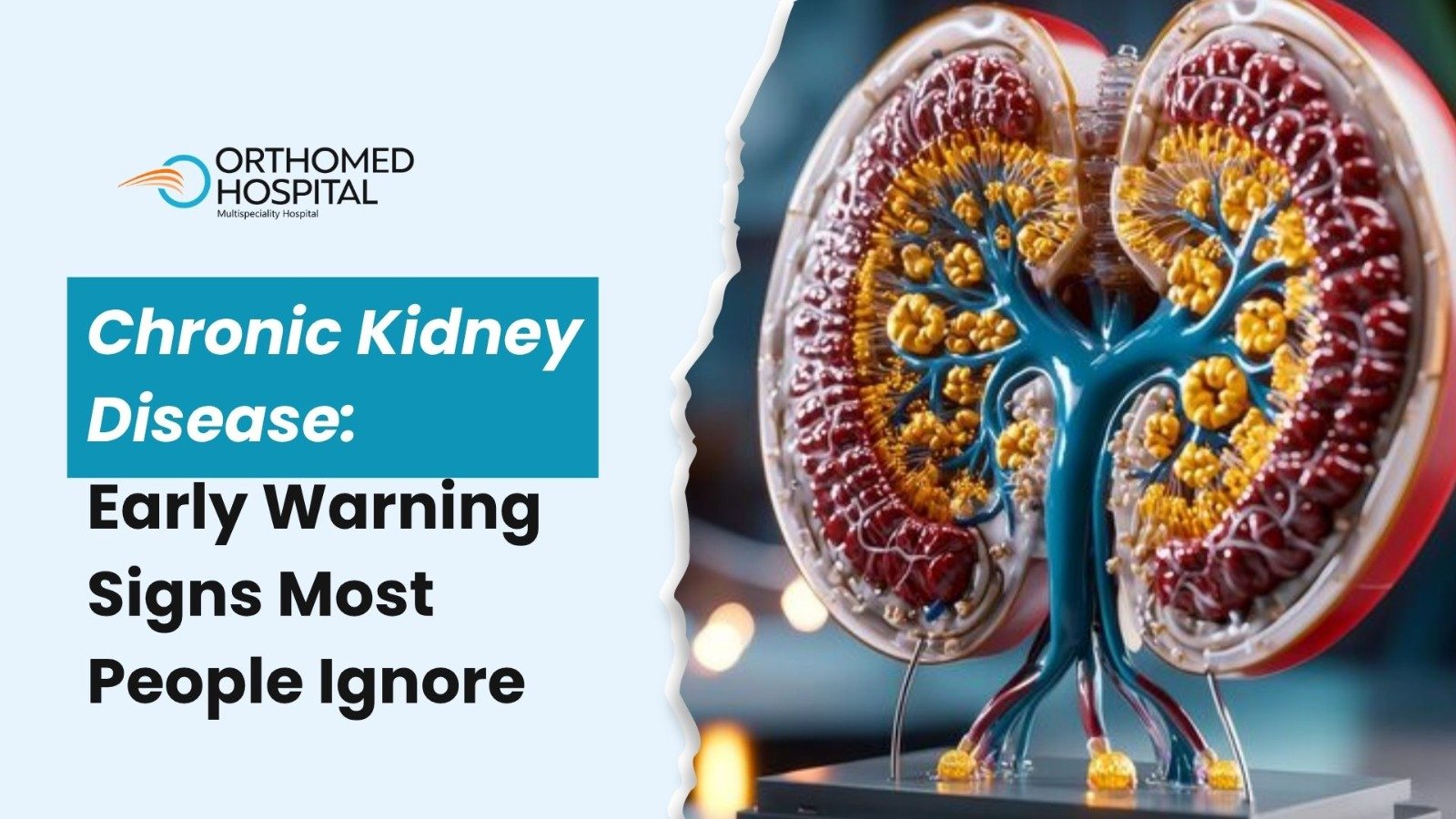
Chronic Kidney Disease: Early Warning Signs Most People Ignore
When we think about our overall health, we usually pay attention to what we can see or feel immediately. We watch our weight, monitor our skin, check our blood pressure, or worry about chest pain. Yet tucked away beneath your rib cage on either side of your spine are two bean-shaped organs working quietly every single second of your life.
These are your kidneys. They filter roughly 120 to 150 quarts of blood every 24 hours, removing toxins, balancing vital minerals, regulating fluid levels, and producing hormones that control blood pressure and red blood cell production.
Because the kidneys are exceptionally resilient and adaptable, they rarely complain when they run into trouble. In fact, a person can lose up to 90 percent of their kidney function before feeling noticeably sick.
This quiet progression is what makes chronic kidney disease (CKD) one of the most stealthy health threats today. In fast-paced urban centers like Chennai, where diabetes, hypertension, and desk-bound lifestyles are prevalent, thousands of adults unknowingly live with declining kidney health.
Recognizing the early, subtle chronic kidney disease symptoms, understanding key lab numbers, and knowing when to consult a trusted nephrologist Chennai can make all the difference between reversing early strain and facing irreversible damage.
What Is Chronic Kidney Disease?
Chronic kidney disease means your kidneys have suffered gradual, lasting damage over months or years, reducing their ability to clean your blood effectively.
Inside each kidney are about one million microscopic filtering units called nephrons. Each nephron contains a tiny cluster of looping blood vessels called a glomerulus. These filters allow water and small waste products to pass into the urine while holding back essential proteins and blood cells.
When chronic conditions like high blood sugar or prolonged high blood pressure put stress on these filters, the delicate blood vessels harden, scar, and shut down. Healthy neighboring nephrons step up to take over the extra workload. Because the remaining filters work overtime to compensate, you may feel completely fine on the outside while internal damage silently progresses.
THE STAGES OF CHRONIC KIDNEY DISEASE (BASED ON eGFR)
Stage 1: Kidney damage with normal function (eGFR 90 or higher)
Stage 2: Mild loss of kidney function (eGFR 60 to 89)
Stage 3a & 3b: Moderate to severe loss of function (eGFR 30 to 59)
Stage 4: Severe loss of kidney function (eGFR 15 to 29)
Stage 5: Kidney failure / End-Stage Renal Disease (eGFR below 15)
Catching the condition in Stages 1, 2, or early Stage 3 allows doctors to slow down or even pause further decline through simple medical adjustments and diet changes.
Early Warning Signs Most People Miss
Because early kidney trouble does not cause sharp pain in your back or sides, people often mistake the warning signs for simple fatigue, aging, or work stress.
If you notice any of the following symptoms persisting for weeks, it is time to look deeper into your kidney health.
Swelling in the Feet, Ankles, or Face (Edema)
When kidneys fail to clear excess fluid and sodium from your system, water pools in your tissues. You might notice your shoes feeling tighter by evening, sock marks lingering deep in your skin, or puffiness around your eyes when you wake up in the morning. Leaking protein through damaged kidney filters also reduces blood protein levels, which causes fluid to spill into surrounding tissues.
Changes in Your Urination Habits
Pay close attention to what happens when you visit the restroom:
- Foamy or Bubbly Urine: If your urine looks like beaten eggs with frothy white bubbles that require multiple flushes to clear, it indicates that protein (albumin) is leaking into your urine.
- Waking Up Frequently to Urinate (Nocturia): Damaged filters can lose their ability to concentrate urine, forcing you to get up two, three, or more times every night.
- Color Changes: Urine that appears unusually dark, tea-colored, or contains visible traces of blood should never be ignored.
Unexplained, Crushing Fatigue and Brain Fog
Your kidneys produce a vital hormone called erythropoietin (EPO), which signals your bone marrow to create oxygen-carrying red blood cells. As kidney function drops, EPO production falls, leading to anemia. With fewer red blood cells delivering oxygen to your brain and muscles, you feel exhausted after minor tasks, struggle with mental concentration, and feel constantly drained.
Stubborn Itching and Unusually Dry Skin
Healthy kidneys keep the delicate balance of minerals like calcium and phosphorus stable in your bloodstream. When kidney function declines, phosphorus levels climb while calcium drops. This mineral imbalance triggers intense, deep itching that feels like it is beneath the skin surface, showing no improvement with ordinary moisturizing lotions.
Metallic Taste in the Mouth and Loss of Appetite
As toxic waste products like urea build up in your bloodstream (a condition called uremia), it changes how food tastes. Many people report that tea, coffee, or meat tastes unpleasantly metallic or bitter. This buildup also causes morning nausea, a sour stomach, and an unexplained loss of interest in food, leading to unplanned weight loss.
Muscle Cramps and Twitches
Sudden, painful cramps in the calves or feet, particularly during the night, frequently point to fluid and electrolyte shifts. Imbalanced levels of calcium, potassium, and magnesium cause nerves and muscle fibers to misfire.
The Major Culprits: Who Is at Highest Risk?
Kidney disease rarely happens out of nowhere. In most cases, it is driven by pre-existing lifestyle and medical conditions that slowly place immense pressure on the renal system.
Primary Risk Factor | How It Harms the Kidneys | Action to Take |
Type 2 Diabetes | High glucose destroys delicate filtration microvessels | Maintain HbA1c below 7%, get annual urine tests |
Hypertension (High BP) | Stiffens and narrows renal arteries over time | Keep BP under 130/80 mmHg with diet and meds |
Painkiller Overuse (NSAIDs) | Reduces blood supply directly to kidney tissue | Avoid popping daily pain pills without prescription |
Family History of CKD | Inherited genetic traits or polycystic kidney disease | Begin baseline screenings early in your 30s |
Recurrent Kidney Stones | Chronic urinary tract blockages and tissue scarring | Stay hydrated, treat stones before blockages occur |
Diabetes and Kidney Damage: The Leading Threat in India
India is often called the diabetes capital of the world, and Tamil Nadu has one of the highest urban diabetes prevalence rates in the country. Unfortunately, diabetes and kidney damage go hand in hand. In clinical medicine, this complication is called diabetic nephropathy.
When blood sugar remains consistently elevated, glucose molecules attach to the proteins in your kidney filters, causing them to thicken and become leaky.
THE DIABETIC KIDNEY DAMAGE TIMELINE
Years 1 to 5 : High filtration pressure silently strains nephrons
Years 5 to 10 : Microscopic protein (microalbumin) begins leaking into urine
Years 10 to 15: Leaking increases to macroalbuminuria; blood creatinine rises
Beyond Year 15: Progressive loss of filtering ability if blood sugar is unmanaged
The tragedy of diabetic kidney disease is that it is almost entirely preventable. If you have diabetes, getting a simple annual urine check for microalbumin catches the leak years before blood tests show elevated waste levels. Starting targeted medications early can protect your filters and keep your kidneys working for the rest of your life.
Understanding the Kidney Function Test and Lab Markers
Diagnosing kidney problems does not require painful or complicated procedures. A routine kidney function test consists of basic blood and urine checks that give your doctor a complete overview of your renal performance.
Serum Creatinine and Normal Ranges
Creatinine is a natural waste byproduct created by everyday muscle breakdown. Healthy kidneys filter almost all of it out of your blood and excrete it through urine. When your filters are damaged, creatinine builds up in your bloodstream.
Understanding the creatinine levels normal range helps you read your lab reports with clarity:
- For adult men: 0.7 to 1.3 mg/dL
- For adult women: 0.6 to 1.1 mg/dL (women naturally have lower baseline levels due to lower average muscle mass)
A reading that sits consistently above these ranges indicates that your kidneys are clearing waste at a slower pace.
Estimated Glomerular Filtration Rate (eGFR)
Your serum creatinine number is plugged into a standardized medical formula along with your age and gender to calculate your eGFR.
Your eGFR score reflects the percentage of working kidney capacity you have left. An eGFR of 90 or higher indicates healthy function, while a score falling below 60 for three consecutive months confirms chronic kidney disease.
Blood Urea Nitrogen (BUN)
Urea nitrogen comes from the breakdown of protein in your food. Rising BUN levels point toward decreased filtration or acute dehydration.
Urine Albumin-to-Creatinine Ratio (uACR)
This simple urine test looks for tiny traces of the protein albumin. In a healthy kidney, no albumin passes into the urine. A positive urine albumin test is the earliest clinical sign of filter damage, showing up long before blood creatinine levels begin to creep upward.
Practical Kidney Disease Diet Tips for Daily Life
What you put on your plate plays a massive role in reducing the workload on your kidneys. If you have been diagnosed with early kidney strain, following practical kidney disease diet tips helps protect your remaining nephrons from extra stress.
Watch Your Daily Salt Intake
Excess sodium raises blood pressure and forces the kidneys to work harder to maintain fluid balance.
- Avoid packaged potato chips, commercial pickles, papads, canned soups, and instant noodles.
- Cook meals using fresh herbs, cumin, coriander, and lemon juice for flavor instead of heaping extra salt.
- Aim for less than one teaspoon (about 2,000 mg of sodium) per day.
Moderate Your Protein Portions
While protein is an essential building block, processing high amounts of protein creates large volumes of nitrogenous waste that your kidneys must clear.
- If you have early kidney strain, avoid high-protein fad diets or bodybuilding protein powders.
- Choose high-quality, easily digestible protein sources like eggs, dal, and fresh fish in controlled portions recommended by a clinical dietitian.
Be Mindful of Potassium and Phosphorus
In later stages of kidney disease, the body struggles to eliminate extra minerals:
- Potassium: High potassium can cause dangerous heart rhythm irregularities. If your doctor advises limiting potassium, reduce your intake of bananas, tender coconut water, spinach, and potatoes.
- Phosphorus: Found in colas, processed cheeses, packaged meats, and bakery items. High phosphorus pulls calcium straight out of your bones, leaving them brittle.
BALANCING YOUR KIDNEY HEALTH PLATE
PROTECTIVE FOODS
* Fresh vegetables like bottle gourd, cabbage, bell peppers, and cucumber
* Whole grains like unpolished rice and oats in moderate portions
* Clean water as your primary daily beverage
FOODS TO LIMIT
* Deep-fried savory snacks and salted bakery biscuits
* Carbonated dark sodas high in artificial phosphorus
* Overuse of non-steroidal painkiller pills (NSAIDs)
* Commercial spice mixes loaded with hidden sodium
Overcoming Common Myths About Kidney Health
Misconceptions about kidney disease often prevent people from seeking proper medical care until it is too late. Let us clear up a few common myths:
Myth 1: If I can pass urine normally, my kidneys are completely fine.
Fact: Kidney volume and waste filtering are two distinct functions. In early and moderate kidney disease, your kidneys can still produce normal amounts of pale, watery urine, even while failing to clear toxic urea and creatinine from your bloodstream.
Myth 2: Drinking 6 liters of water a day flushes away kidney disease.
Fact: Staying adequately hydrated is vital, but forcing yourself to drink excessive amounts of water does not cure damaged kidney filters. In fact, if your kidneys are already struggling to remove fluid, drinking too much water can cause fluid overload, dangerous swelling, and heart strain. Drink when thirsty, aiming for about 2 to 2.5 liters daily unless your physician advises fluid restriction.
Myth 3: Kidney pain feels like a regular lower backache.
Fact: True kidney pain is felt deep under your ribs in the middle of your back, often on one side, and does not change when you bend or stretch. Most common lower backaches are muscular or spine-related. Kidney disease itself rarely causes back pain unless an infection or stone creates a physical blockage.
When to See a Nephrologist
Waiting for symptoms to become unbearable before seeking help can cost you valuable kidney function. If you fall into any of the following categories, you should book an evaluation with a kidney specialist:
- Your routine blood test shows a serum creatinine level above the normal reference range.
- A urine test shows the presence of protein or blood.
- You have lived with Type 2 diabetes or hypertension for five years or longer.
- You experience unexplained swelling in your ankles and face combined with persistent fatigue.
- Your blood pressure remains consistently difficult to control despite taking multiple medications.
- You have a family history of kidney failure or inherited polycystic kidney disease.
Finding the Right Care: Choosing a Kidney Care Facility in Chennai
Managing kidney disease requires accurate lab testing, specialized clinical expertise, and long-term supportive care. Finding a well-equipped medical center ensures you get the right advice before minor kidney strain progresses to advanced stages.
For residents seeking advanced medical consultations, consulting an experienced nephrologist Chennai provides the clinical guidance needed to preserve your renal health.
For individuals across Chennai, Orthomed Hospital offers dedicated clinical consultations, modern diagnostic testing, and coordinated care for lifestyle-related metabolic and renal disorders. Conveniently located in central Chennai, the facility features modern diagnostic laboratories, imaging technology, and multidisciplinary specialists who work together to help manage conditions like diabetes, hypertension, and early kidney disease.
When selecting a healthcare facility for kidney care, look for these important qualities:
Qualified Renal Specialists
Look for board-certified nephrologists who emphasize preventive care and lifestyle modifications. A good specialist takes time to review your medication list, adjust drug dosages to protect your kidneys, and help you preserve your natural filtration for life.
Advanced Laboratory Infrastructure
Monitoring kidney health relies on precision. Choose a facility equipped with automated clinical laboratories that provide rapid, accurate serum creatinine, electrolyte, and microalbumin measurements.
Integrated Multispecialty Support
Because kidney conditions are deeply linked with heart health, blood pressure, and diabetes, having access to cardiologists, diabetologists, and clinical dietitians under one roof ensures you receive balanced, comprehensive medical care.
Daily Habits to Protect Your Kidneys Starting Today
Protecting your kidneys does not require complicated treatments. Incorporating these simple habits into your daily routine helps keep your filters running cleanly:
- Keep Your Blood Sugar and Blood Pressure in Target Range: If you have diabetes or hypertension, take your prescribed medications regularly and check your numbers at home. Controlled numbers mean happy, protected kidney filters.
- Stop Popping Over-the-Counter Painkillers: Non-steroidal anti-inflammatory drugs (NSAIDs) like ibuprofen, naproxen, and diclofenac reduce blood flow to your kidneys. If you suffer from frequent headaches or joint aches, consult a physician for kidney-safe alternatives instead of self-medicating.
- Stay Hydrated with Plain Water: Choose clean water over sugary fruit juices, energy drinks, and sodas. Adequate hydration prevents kidney stones and urinary tract infections from damaging renal tissue.
- Schedule an Annual Screening: If you are over the age of 40 or live with diabetes, make an annual serum creatinine and urine albumin test a non-negotiable part of your yearly health checkup.
Take Control of Your Kidney Health Today
Your kidneys work tirelessly every single day to keep your internal environment clean, balanced, and healthy. Because they rarely complain until significant damage has occurred, the responsibility falls on you to stay proactive.
Chronic kidney disease is not an inevitable outcome of aging or diabetes. When you catch the warning signs early, monitor your lab numbers, adopt kidney-friendly nutrition, and partner with experienced medical specialists, you can protect your kidneys and enjoy an active, healthy life.
Don’t wait for swollen ankles, severe fatigue, or abnormal urine to tell you that your kidneys are struggling. Schedule a consultation with a qualified kidney specialist, get your kidney function tested, and take charge of your health today.
Comments are closed