
- Home
- About
- Services
- Specialists
- Research
- Achivements
- gallery
- contact




- Home
- About Us
- Orthopedics
- Know Your Alignment
- Sports Medicine
- Knee
- Arthroscopic ACI Cartilage Transplant
- Arthroscopic ACL Avulsion Fixation
- Arthroscopic ACL Primary Repair
- Arthroscopic ACL Reconstruction – All Inside Technique
- Arthroscopic ACL Rehab
- Arthroscopic ACL Revision Surgery
- Arthroscopic ACL Single Bundle Reconstruction
- Arthroscopic assisted MPFL Reconstruction
- Arthroscopic assisted Multiple Ligament Tear – SURGERY
- Arthroscopic Medial Meniscal Repair
- Arthroscopic OATS Chondroplasty
- Arthroscopic OCD Fixation
- Arthroscopic Paediatric ACL Reconstruction
- Arthroscopic PCL Avulsion Fixation
- Arthroscopic PCL Reconstruction
- Arthroscopy Assisted STEM Cell Cartilage Transplant
- PCL Rehabilitation
- Total Knee Replacement
- Shoulder
- Arthroscopic Rotator Cuff Repair
- Arthroscopic Bankart Repair
- Arthroscopy Assisted Latarjet Surgery
- AC Joint Fixation
- Arthroscopic Capsular Release
- Arthroscopic Sub – Acromial Decompression (SAD)
- Arthroscopic Calcific Tendinitis Excision
- Arthroscopic Biceps Tenodesis
- Arthroscopic SLAP Repair
- Arthroscopic Revision Cuff Repair
- Arthroscopic Revision Bankart Repair
- Shoulder Rehab
- Elbow
- Wrist
- Hip
- Ankle
- Our Specialities
- Cardiology
- Gastroenterology
- Radiology
- Internal Medicine & Diabetology
- Anesthesiology & Intensive Care Unit
- Neurology
- Nephrology
- Urology
- Oncology
- Rheumatology
- Endocrinology
- General Surgery
- Laparoscopic Surgery
- Podiatric / Diabetic Foot Clinic
- Obstetrics & Gynecology
- ENT
- Plastic & Cosmetic Surgery
- Paediatrics
- Pulmonology
- Psychiatry
- Vascular Surgery
- Dermatology
- Oral and Maxillofacial Surgery
- Our Services
- Resource
- Enquiry
- Home
- About Us
- Orthopedics
- Know Your Alignment
- Sports Medicine
- Knee
- Arthroscopic ACI Cartilage Transplant
- Arthroscopic ACL Avulsion Fixation
- Arthroscopic ACL Primary Repair
- Arthroscopic ACL Reconstruction – All Inside Technique
- Arthroscopic ACL Rehab
- Arthroscopic ACL Revision Surgery
- Arthroscopic ACL Single Bundle Reconstruction
- Arthroscopic assisted MPFL Reconstruction
- Arthroscopic assisted Multiple Ligament Tear – SURGERY
- Arthroscopic Medial Meniscal Repair
- Arthroscopic OATS Chondroplasty
- Arthroscopic OCD Fixation
- Arthroscopic Paediatric ACL Reconstruction
- Arthroscopic PCL Avulsion Fixation
- Arthroscopic PCL Reconstruction
- Arthroscopy Assisted STEM Cell Cartilage Transplant
- PCL Rehabilitation
- Total Knee Replacement
- Shoulder
- Arthroscopic Rotator Cuff Repair
- Arthroscopic Bankart Repair
- Arthroscopy Assisted Latarjet Surgery
- AC Joint Fixation
- Arthroscopic Capsular Release
- Arthroscopic Sub – Acromial Decompression (SAD)
- Arthroscopic Calcific Tendinitis Excision
- Arthroscopic Biceps Tenodesis
- Arthroscopic SLAP Repair
- Arthroscopic Revision Cuff Repair
- Arthroscopic Revision Bankart Repair
- Shoulder Rehab
- Elbow
- Wrist
- Hip
- Ankle
- Our Specialities
- Cardiology
- Gastroenterology
- Radiology
- Internal Medicine & Diabetology
- Anesthesiology & Intensive Care Unit
- Neurology
- Nephrology
- Urology
- Oncology
- Rheumatology
- Endocrinology
- General Surgery
- Laparoscopic Surgery
- Podiatric / Diabetic Foot Clinic
- Obstetrics & Gynecology
- ENT
- Plastic & Cosmetic Surgery
- Paediatrics
- Pulmonology
- Psychiatry
- Vascular Surgery
- Dermatology
- Oral and Maxillofacial Surgery
- Our Services
- Resource
- Enquiry


- Home
- About Us
- Orthopedics
- Know Your Alignment
- Sports Medicine
- Knee
- Arthroscopic ACI Cartilage Transplant
- Arthroscopic ACL Avulsion Fixation
- Arthroscopic ACL Primary Repair
- Arthroscopic ACL Reconstruction – All Inside Technique
- Arthroscopic ACL Rehab
- Arthroscopic ACL Revision Surgery
- Arthroscopic ACL Single Bundle Reconstruction
- Arthroscopic assisted MPFL Reconstruction
- Arthroscopic assisted Multiple Ligament Tear – SURGERY
- Arthroscopic Medial Meniscal Repair
- Arthroscopic OATS Chondroplasty
- Arthroscopic OCD Fixation
- Arthroscopic Paediatric ACL Reconstruction
- Arthroscopic PCL Avulsion Fixation
- Arthroscopic PCL Reconstruction
- Arthroscopy Assisted STEM Cell Cartilage Transplant
- PCL Rehabilitation
- Total Knee Replacement
- Shoulder
- Arthroscopic Rotator Cuff Repair
- Arthroscopic Bankart Repair
- Arthroscopy Assisted Latarjet Surgery
- AC Joint Fixation
- Arthroscopic Capsular Release
- Arthroscopic Sub – Acromial Decompression (SAD)
- Arthroscopic Calcific Tendinitis Excision
- Arthroscopic Biceps Tenodesis
- Arthroscopic SLAP Repair
- Arthroscopic Revision Cuff Repair
- Arthroscopic Revision Bankart Repair
- Shoulder Rehab
- Elbow
- Wrist
- Hip
- Ankle
- Our Specialities
- Cardiology
- Gastroenterology
- Radiology
- Internal Medicine & Diabetology
- Anesthesiology & Intensive Care Unit
- Neurology
- Nephrology
- Urology
- Oncology
- Rheumatology
- Endocrinology
- General Surgery
- Laparoscopic Surgery
- Podiatric / Diabetic Foot Clinic
- Obstetrics & Gynecology
- ENT
- Plastic & Cosmetic Surgery
- Paediatrics
- Pulmonology
- Psychiatry
- Vascular Surgery
- Dermatology
- Oral and Maxillofacial Surgery
- Our Services
- Resource
- Enquiry
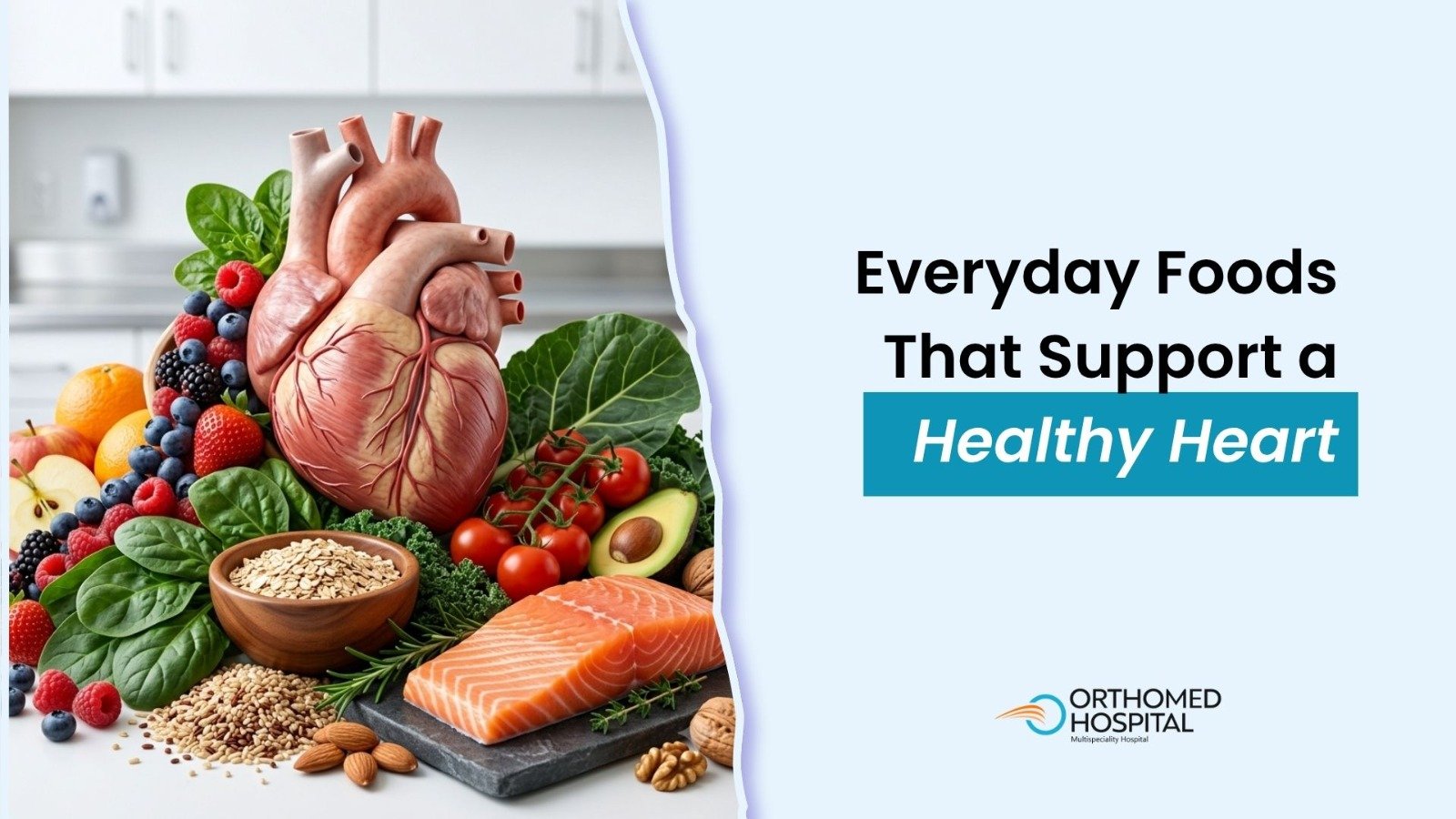
Everyday Foods That Support a Healthy Heart
When we think about taking care of our heart, our minds often jump straight to sweaty treadmill sessions, heavy gym workouts, or complicated medical charts filled with confusing numbers. While regular physical movement is essential, the real foundation of cardiovascular health is built much closer to home: right on your dining table.
Every single day, your heart beats approximately 100,000 times, pumping around 7,500 liters of oxygen-rich blood through thousands of kilometers of blood vessels. It works without taking a single second of rest, whether you are running for a bus, focused on work at your office desk, or sound asleep in bed.
Yet, we rarely think about the fuel we give this non-stop engine.
In bustling metropolitan cities like Chennai, our daily food choices are constantly influenced by fast-paced routines. Between grabbing a quick fried snack on your way to work, ordering late-night restaurant food through delivery apps, and dealing with daily traffic stress, it is remarkably easy for our arteries to accumulate damage silently over time.
The encouraging truth is that your heart possesses an incredible capacity to heal and stay strong when nourished correctly. You do not need to follow impossible fad diets, buy exotic superfoods imported from the other side of the planet, or give up your favorite flavors.
By simply choosing the right everyday heart healthy foods and making small, thoughtful adjustments to your traditional kitchen, you can lower bad cholesterol, keep your blood pressure steady, and protect your cardiovascular system for life.
How Your Plate Shapes Your Blood Vessels
To understand why food has such a strong impact on your cardiovascular system, it helps to look inside your blood vessels and see what happens after you finish a meal.
When you eat, your digestive system breaks down food into microscopic molecules that enter your bloodstream. Depending on what you chose to eat, those molecules can either protect the delicate inner lining of your blood vessels (called the endothelium) or trigger irritation and swelling.
THE DIETARY IMPACT ON YOUR ARTERIES
HEALTHY CHOICES (Soluble Fiber, Antioxidants, Healthy Fats)
* Binds to excess bile and flushes out LDL (bad) cholesterol
* Neutralizes free radicals to stop arterial inflammation
* Promotes nitric oxide release, keeping blood vessels relaxed and flexible
* Maintains smooth, steady blood circulation throughout the body
UNHEALTHY CHOICES (Trans Fats, Refined Sugars, Excess Sodium)
* Increases circulating small, dense LDL particles that penetrate artery walls
* Causes oxidative stress, turning smooth vessel linings rough and sticky
* Promotes microscopic plaque formation (atherosclerosis) over years
* Narrows the arterial passageways, forcing the heart to pump against high pressure
Over months and years, a consistent heart healthy diet prevents those sticky fatty plaques from forming in the first place, ensuring blood flows easily to your brain, heart, and vital organs.
The Essential Pillars of Healthy Eating for Heart
Before looking at specific ingredients, it helps to understand the nutritional principles that define healthy eating for heart protection.
Medical doctors and nutritional scientists agree that an effective dietary plan focuses on four primary goals:
Reducing Saturated and Eliminating Trans Fats
Trans fats (commonly found in commercial bakery biscuits, packaged snacks, and oils reused repeatedly for deep frying) are hazardous to your arteries. They pull off a double damage trick: they raise your LDL (bad) cholesterol while simultaneously dropping your HDL (good) cholesterol. Shifting toward healthy fats keeps your arterial walls clean.
Loading Up on Soluble Viscous Fiber
Fiber acts like a natural biological sponge inside your digestive tract. Soluble fiber binds to cholesterol particles in your small intestine and drags them out of your body before they can ever be absorbed into your bloodstream.
Boosting Natural Antioxidants and Polyphenols
Arterial plaque starts when LDL cholesterol oxidizes, much like metal rusting when exposed to moisture and air. Foods rich in polyphenols, vitamins, and antioxidants prevent this oxidation process, shielding your artery walls from damage.
Balancing Sodium and Potassium
Too much sodium draws extra water into your bloodstream, increasing the physical volume of blood and driving up blood pressure. Potassium works in direct opposition: it encourages your kidneys to flush out extra sodium through urine and relaxes the muscular walls of your arteries.
Everyday Foods Good for Heart Protection
You do not need to search for obscure health foods to build an effective meal plan. The most powerful foods good for heart wellness are simple, affordable items you can find in any local market across Chennai.
Food Category | Top Everyday Examples | Primary Cardiovascular Benefit |
Whole Grains & Millets | Oats, Ragi, Foxtail Millet, Brown Rice | Rich in soluble fiber (beta-glucan), lowers LDL cholesterol |
Legumes & Pulses | Moong Dal, Chana, Rajma, Green Gram | High plant protein, zero cholesterol, stabilizes blood sugar |
Green Leafy Vegetables | Spinach (Palak), Fenugreek (Methi), Drumstick Leaves (Murungai Keerai) | High in dietary nitrates and Vitamin K, relaxes blood vessels |
Nuts & Seeds | Almonds, Walnuts, Flaxseeds, Chia Seeds | Packed with Omega-3 fats and Vitamin E, reduces inflammation |
Local Fresh Fruits | Guava, Papaya, Apples, Pomegranates | Loaded with soluble pectin, potassium, and protective polyphenols |
Natural Aromatics | Garlic, Ginger, Fresh Turmeric | Contains allicin and curcumin, helps keep blood pressure balanced |
Healthy Cooking Oils | Cold-pressed Sesame, Mustard, or Groundnut Oil | High in monounsaturated fatty acids (MUFA), supports good HDL |
Deep Dive: The Top Foods for Cardiovascular Health
Let us take a closer look at some of the best foods for cardiovascular health and explore how they actively work inside your body to keep your heart in top shape.
Traditional Millets and Whole Oats
For decades, urban diets shifted toward heavily polished white rice and refined wheat flour (maida). These fast-digesting carbohydrates cause rapid spikes in blood sugar, prompting the pancreas to flood your system with insulin, which triggers liver production of triglycerides.
Returning to traditional Indian millets like ragi (finger millet), thinai (foxtail millet), kuthiraivali (barnyard millet), and whole oats provides your body with massive amounts of soluble beta-glucan fiber.
Beta-glucan forms a thick gel inside your gut that traps cholesterol-rich digestive juices, escorting them safely out of your body. Eating a warm bowl of steel-cut oats or replacing white rice with millets for lunch is one of the quickest ways to bring high cholesterol down naturally.
Local Greens: Drumstick Leaves and Spinach
In South Indian culinary tradition, drumstick leaves (murungai keerai) have been celebrated for centuries, and modern cardiology confirms their value.
Murungai keerai and other dark leafy greens like palak and methi are loaded with natural plant nitrates. Your body converts these dietary nitrates into nitric oxide, a gas that signals the smooth muscles around your blood vessels to relax and widen. This widening drops blood pressure naturally, improves blood circulation, and ensures your heart muscle receives plenty of oxygen during daily activities.
Leafy greens are also a prime source of Vitamin K1, which helps prevent calcium from settling inappropriately in your arterial walls, keeping your vessels soft and pliable rather than calcified and stiff.
Walnuts and Almonds
Nuts are miniature powerhouses of cardiovascular protection.
- Walnuts: One of the few plant foods exceptionally rich in alpha-linolenic acid (ALA), a plant-based Omega-3 fatty acid. ALA actively calms cellular inflammation across your circulatory system and helps prevent dangerous blood clots.
- Almonds: Packed with monounsaturated fats, magnesium, and Vitamin E. Magnesium acts as a natural calcium channel blocker, helping regulate heartbeat rhythms and preventing blood vessels from constricting tightly under stress.
Eating a small handful (about 25 to 30 grams) of raw or unsalted soaked almonds and walnuts every morning provides long-lasting energy while raising your protective HDL numbers.
THE DAILY HEART-SMART NUT & SEED MIX
* 4 to 5 Soaked Almonds (Skins removed for easy digestion)
* 2 Whole Raw Walnuts (Rich in ALA Omega-3)
* 1 Teaspoon Roasted Flaxseeds (High lignans & fiber)
* 1 Teaspoon Pumpkin Seeds (Packed with natural magnesium)
Enjoy this simple combination as a mid-morning snack instead of fried tea-time treats.
Fresh Garlic: Nature’s Blood Pressure Balancer
Fresh garlic is much more than a fragrant flavor enhancer in sambar or rasam. When you crush, chop, or chew a fresh clove of garlic, an enzyme called alliinase converts the compound alliin into allicin.
Allicin acts as a natural vasodilator. Medical research indicates that regular consumption of fresh garlic can gently lower systolic and diastolic blood pressure, while discouraging platelets from clumping together to form arterial blockages. To get the maximum benefit, crush a clove of fresh garlic and let it sit on your kitchen board for ten minutes before cooking; this resting time allows the allicin to fully activate.
Guavas, Papayas, and Pomegranates
You do not need to buy costly imported blueberries to get exceptional antioxidant protection. Local fruits like fresh guavas, papayas, and ruby-red pomegranates are among the most potent cholesterol-friendly foods available.
- Guavas: Packed with soluble pectin fiber and exceptional levels of Vitamin C. Pectin binds to dietary fats in your digestive tract, while Vitamin C shields your blood vessels from oxidative stress.
- Pomegranates: Contain potent compounds called punicalagins, which clinical studies have shown can reduce inflammation in blood vessel walls and help slow down the accumulation of plaque in carotid arteries.
- Papayas: Rich in lycopene and potassium, supporting healthy blood pressure control and smooth cardiac muscle function.
Legumes, Lentils, and Whole Beans
From yellow moong dal and toor dal to black chana and rajma, pulses form the structural backbone of Indian kitchens.
Legumes are completely free of dietary cholesterol, naturally very low in fat, and rich in slow-digesting resistant starch. Resistant starch passes through your stomach and small intestine undigested, arriving in your colon where beneficial gut bacteria ferment it into short-chain fatty acids like butyrate. These healthy fatty acids travel directly to your liver, where they naturally inhibit the internal synthesis of excess cholesterol.
Foods That Strain Your Heart: What to Leave Off Your Plate
Knowing what to add to your kitchen is only half the battle. To truly protect your cardiovascular system, you must be honest about the everyday dietary items that silently damage your heart over time.
Deep-Fried Street Snacks and Reheated Cooking Oils
Evening snacks like crispy medu vadas, bajjis, samosas, and fried mixtures are staples of urban tea stalls. The danger is not just the calories; it is the oil itself.
Commercial stalls frequently keep deep fryers running for days, reheating the same oil repeatedly to high temperatures. This intense reheating causes thermal oxidation, creating dangerous trans fatty acids and toxic cyclic compounds that inflame your arterial linings and send bad LDL cholesterol soaring.
Excess Table Salt and Hidden Sodium
The human body requires only about 500 milligrams of sodium daily to function smoothly, yet the average urban diet delivers over 4,000 milligrams.
Beyond the salt shaker on your table, the biggest sodium sources hide inside processed foods:
- Commercial mango, lime, and garlic pickles (oorukai) preserved with heavy salt.
- Deep-fried, salted papads and appalams.
- Packaged chips, commercial namkeens, and salted bakery puffs.
- Instant noodles, canned soups, and bottled sauces.
High sodium forces your body to retain water, inflating your blood volume and forcing your heart to pump harder with every single beat.
Sugary Beverages and Refined Carbohydrates
Many people worry about dietary fat while completely ignoring the cardiovascular threat posed by liquid sugar. Drinking sweet bottled teas, carbonated sodas, flavored milkshakes, and sugary coffees floods your bloodstream with high doses of simple sugars.
Your liver cannot process large surges of fructose or sucrose safely; it converts the excess sugar directly into triglycerides. High blood triglycerides, when paired with low HDL, create dense, sticky arterial deposits that dramatically accelerate heart disease risks.
Sample 1-Day Heart-Healthy Regional Meal Plan
Adopting a heart-protective diet does not mean eating bland, boring meals. You can easily enjoy familiar, comforting home cooking that supports your cardiovascular wellness.
Here is a practical, delicious one-day meal plan tailored to regional South Indian tastes:
Morning Starter (7:00 AM)
- A warm glass of water with a squeeze of fresh lemon juice.
- 4 soaked almonds and 2 walnut halves.
Breakfast (8:30 AM)
- A warm bowl of steel-cut vegetable oats porridge or two soft steamed ragi idlis.
- Fresh mint-coriander chutney prepared with minimal salt.
- One boiled egg white or a small cup of steamed sprouted moong.
- A small cup of freshly brewed tea with low-fat skim milk and zero refined sugar.
Mid-Morning Refreshment (11:00 AM)
- One fresh, crisp guava sliced with a dash of cracked black pepper, or a cup of fresh pomegranate pearls.
- A glass of plain water to stay well hydrated.
Lunch (1:00 PM)
- A moderate bowl of steamed brown rice, red rice, or foxtail millet.
- A generous bowl of homemade drumstick and vegetable sambar made with toor dal and fresh garlic.
- A large serving of murungai keerai (drumstick leaves) poriyal prepared with a sprinkle of fresh grated coconut.
- Fresh cucumber, carrot, and tomato slices tossed in lemon juice.
- A small cup of fresh homemade skim milk curd.
Evening Refreshment (4:30 PM)
- A cup of warm green tea or light ginger-infused black tea.
- A bowl of boiled sundal (chickpeas or white peas tossed with mustard seeds, curry leaves, and a touch of grated ginger).
Dinner (7:30 PM)
- Two soft phulkas (whole wheat rotis prepared without oil or added salt in the dough).
- A flavorful mixed vegetable curry with carrots, green beans, and peas cooked in light tomato gravy.
- One grilled freshwater fish fillet (or a bowl of paneer stir-fry with colorful bell peppers for vegetarians).
- A cup of light rasam prepared with fresh tomatoes, garlic, crushed cumin, and black pepper.
Smart Heart-Friendly Cooking Techniques for Home Kitchens
Small adjustments in how you prepare your food can yield massive health improvements without sacrificing taste:
SMART KITCHEN SWAPS FOR HEART HEALTH
TRADITIONAL HABIT HEART-SMART SWAP
Deep frying fish or vegetables —–> Tawa grilling with light brush of oil
Heaping extra salt into curries —–> Using amchur, lemon, and garlic for tang
Using refined, bleached cooking oil –> Cold-pressed sesame or groundnut oil
Refined white rice as base —–> Equal mix of millets and brown rice
Thick coconut-milk gravies —–> Tomato-onion-cashew paste for rich curries
- Use an Oil Measure Spoon: Never pour cooking oil directly from the bottle or packet into the pan. Use a standard teaspoon to measure your oil; aim for no more than three to four teaspoons of cooking oil per person per day.
- Harness Whole Spices for Bold Flavor: Spices like turmeric, cinnamon, black pepper, cumin, and fenugreek do not just create rich aroma; they are packed with anti-inflammatory compounds that calm arterial swelling. Use them generously to make up for lower salt levels.
- Rinse Canned and Salted Foods: If using canned beans or ready-to-eat ingredients, rinse them thoroughly under cold running water for two minutes to wash away excess sodium preservatives.
When Healthy Eating Needs Medical Guidance
Adopting a heart-conscious diet is one of the most effective preventive steps you can take. However, food is one essential part of a complete cardiovascular lifestyle.
If you have a personal or family history of heart disease, have been diagnosed with hypertension or diabetes, or are over the age of 40, dietary adjustments should always be paired with routine clinical screenings.
Many cardiovascular risk factors, including early arterial stiffness, elevated Lipoprotein(a), and high calcium scores, develop without any outward symptoms. Scheduling an evaluation with a specialist ensures that your heart numbers are thoroughly checked using diagnostic tools like resting ECGs, 2D echocardiograms, and treadmill stress tests.
If you experience persistent chest tightness, shortness of breath while walking short distances, unexplained dizziness, or swelling around your ankles, you should immediately consult best cardiologist in chennai to receive an accurate, comprehensive clinical assessment.
Comprehensive Cardiovascular and Multispecialty Care at Orthomed Hospital
When caring for your heart, choosing a modern, well-equipped healthcare center ensures you receive accurate diagnostics, personalized dietary guidance, and compassionate medical expertise under one roof.
For residents and working professionals across Chennai seeking specialized cardiovascular evaluations and preventive healthcare, Orthomed Hospital provides dedicated outpatient consultations, modern diagnostic services, and integrated wellness support. Conveniently located in central Chennai, the facility combines cutting-edge clinical infrastructure with a warm, patient-first environment designed to support your long-term heart health.
Here is why families rely on Orthomed Hospital for their cardiac and general wellness needs:
- Experienced Medical Specialists: Access seasoned cardiologists, internal medicine physicians, and clinical dietitians who take the time to evaluate your full health history, explain your diagnostic test numbers clearly, and craft practical lifestyle plans tailored to your busy schedule.
- Modern Diagnostic Facilities: Equipped with high-resolution digital ECG systems, modern 2D echocardiography machines, computerized treadmill stress testing (TMT), and automated clinical pathology laboratories that provide fast, precise lipid and metabolic profiles.
- Integrated Multispecialty Support: Because heart health is deeply interconnected with diabetes, kidney performance, joint health, and lifestyle stress, the hospital houses experienced diabetologists, nephrologists, and physical therapists for seamless, coordinated care.
- Personalized Preventive Health Checkups: The hospital offers comprehensive executive and cardiac health screening packages that help you detect subtle vascular changes years before they turn into emergencies, giving you total peace of mind.
Take Charge of Your Heart Health Today
Your heart works tirelessly for you every moment of your life. It never asks for a day off, never complains during a long workday, and keeps you moving through every milestone. Giving it the clean, nutrient-rich fuel it needs through wholesome, everyday foods is the greatest gift of self-care you can offer.
By loading your plate with fresh greens, traditional millets, wholesome dals, crisp fruits, and heart-healthy nuts, while leaving heavy trans fats and processed salt behind, you can actively protect your blood vessels from premature aging.
Do not wait for breathlessness, high blood pressure, or a sudden emergency to start caring for your cardiovascular system.
Ready to Prioritize Your Heart Health?
Take the first proactive step toward lifelong vitality today. Schedule a comprehensive heart checkup and consultation at Orthomed Hospital in Chennai. Let our dedicated team of heart specialists, medical experts, and diagnostic professionals help you understand your cardiac numbers, build a personalized heart-healthy diet, and keep your heart beating strong, steady, and healthy for decades to come.
Comments are closed