
- Home
- About
- Services
- Specialists
- Research
- Achivements
- gallery
- contact



- Home
- About Us
- Orthopedics
- Know Your Alignment
- Sports Medicine
- Knee
- Arthroscopic ACI Cartilage Transplant
- Arthroscopic ACL Avulsion Fixation
- Arthroscopic ACL Primary Repair
- Arthroscopic ACL Reconstruction – All Inside Technique
- Arthroscopic ACL Rehab
- Arthroscopic ACL Revision Surgery
- Arthroscopic ACL Single Bundle Reconstruction
- Arthroscopic assisted MPFL Reconstruction
- Arthroscopic assisted Multiple Ligament Tear – SURGERY
- Arthroscopic Medial Meniscal Repair
- Arthroscopic OATS Chondroplasty
- Arthroscopic OCD Fixation
- Arthroscopic Paediatric ACL Reconstruction
- Arthroscopic PCL Avulsion Fixation
- Arthroscopic PCL Reconstruction
- Arthroscopy Assisted STEM Cell Cartilage Transplant
- PCL Rehabilitation
- Total Knee Replacement
- Shoulder
- Arthroscopic Rotator Cuff Repair
- Arthroscopic Bankart Repair
- Arthroscopy Assisted Latarjet Surgery
- AC Joint Fixation
- Arthroscopic Capsular Release
- Arthroscopic Sub – Acromial Decompression (SAD)
- Arthroscopic Calcific Tendinitis Excision
- Arthroscopic Biceps Tenodesis
- Arthroscopic SLAP Repair
- Arthroscopic Revision Cuff Repair
- Arthroscopic Revision Bankart Repair
- Shoulder Rehab
- Elbow
- Wrist
- Hip
- Ankle
- Our Specialities
- Cardiology
- Gastroenterology
- Radiology
- Internal Medicine & Diabetology
- Anesthesiology & Intensive Care Unit
- Neurology
- Nephrology
- Urology
- Oncology
- Rheumatology
- Endocrinology
- General Surgery
- Laparoscopic Surgery
- Podiatric / Diabetic Foot Clinic
- Obstetrics & Gynecology
- ENT
- Plastic & Cosmetic Surgery
- Paediatrics
- Pulmonology
- Psychiatry
- Vascular Surgery
- Dermatology
- Oral and Maxillofacial Surgery
- Our Services
- Resource
- Enquiry
- Home
- About Us
- Orthopedics
- Know Your Alignment
- Sports Medicine
- Knee
- Arthroscopic ACI Cartilage Transplant
- Arthroscopic ACL Avulsion Fixation
- Arthroscopic ACL Primary Repair
- Arthroscopic ACL Reconstruction – All Inside Technique
- Arthroscopic ACL Rehab
- Arthroscopic ACL Revision Surgery
- Arthroscopic ACL Single Bundle Reconstruction
- Arthroscopic assisted MPFL Reconstruction
- Arthroscopic assisted Multiple Ligament Tear – SURGERY
- Arthroscopic Medial Meniscal Repair
- Arthroscopic OATS Chondroplasty
- Arthroscopic OCD Fixation
- Arthroscopic Paediatric ACL Reconstruction
- Arthroscopic PCL Avulsion Fixation
- Arthroscopic PCL Reconstruction
- Arthroscopy Assisted STEM Cell Cartilage Transplant
- PCL Rehabilitation
- Total Knee Replacement
- Shoulder
- Arthroscopic Rotator Cuff Repair
- Arthroscopic Bankart Repair
- Arthroscopy Assisted Latarjet Surgery
- AC Joint Fixation
- Arthroscopic Capsular Release
- Arthroscopic Sub – Acromial Decompression (SAD)
- Arthroscopic Calcific Tendinitis Excision
- Arthroscopic Biceps Tenodesis
- Arthroscopic SLAP Repair
- Arthroscopic Revision Cuff Repair
- Arthroscopic Revision Bankart Repair
- Shoulder Rehab
- Elbow
- Wrist
- Hip
- Ankle
- Our Specialities
- Cardiology
- Gastroenterology
- Radiology
- Internal Medicine & Diabetology
- Anesthesiology & Intensive Care Unit
- Neurology
- Nephrology
- Urology
- Oncology
- Rheumatology
- Endocrinology
- General Surgery
- Laparoscopic Surgery
- Podiatric / Diabetic Foot Clinic
- Obstetrics & Gynecology
- ENT
- Plastic & Cosmetic Surgery
- Paediatrics
- Pulmonology
- Psychiatry
- Vascular Surgery
- Dermatology
- Oral and Maxillofacial Surgery
- Our Services
- Resource
- Enquiry


- Home
- About Us
- Orthopedics
- Know Your Alignment
- Sports Medicine
- Knee
- Arthroscopic ACI Cartilage Transplant
- Arthroscopic ACL Avulsion Fixation
- Arthroscopic ACL Primary Repair
- Arthroscopic ACL Reconstruction – All Inside Technique
- Arthroscopic ACL Rehab
- Arthroscopic ACL Revision Surgery
- Arthroscopic ACL Single Bundle Reconstruction
- Arthroscopic assisted MPFL Reconstruction
- Arthroscopic assisted Multiple Ligament Tear – SURGERY
- Arthroscopic Medial Meniscal Repair
- Arthroscopic OATS Chondroplasty
- Arthroscopic OCD Fixation
- Arthroscopic Paediatric ACL Reconstruction
- Arthroscopic PCL Avulsion Fixation
- Arthroscopic PCL Reconstruction
- Arthroscopy Assisted STEM Cell Cartilage Transplant
- PCL Rehabilitation
- Total Knee Replacement
- Shoulder
- Arthroscopic Rotator Cuff Repair
- Arthroscopic Bankart Repair
- Arthroscopy Assisted Latarjet Surgery
- AC Joint Fixation
- Arthroscopic Capsular Release
- Arthroscopic Sub – Acromial Decompression (SAD)
- Arthroscopic Calcific Tendinitis Excision
- Arthroscopic Biceps Tenodesis
- Arthroscopic SLAP Repair
- Arthroscopic Revision Cuff Repair
- Arthroscopic Revision Bankart Repair
- Shoulder Rehab
- Elbow
- Wrist
- Hip
- Ankle
- Our Specialities
- Cardiology
- Gastroenterology
- Radiology
- Internal Medicine & Diabetology
- Anesthesiology & Intensive Care Unit
- Neurology
- Nephrology
- Urology
- Oncology
- Rheumatology
- Endocrinology
- General Surgery
- Laparoscopic Surgery
- Podiatric / Diabetic Foot Clinic
- Obstetrics & Gynecology
- ENT
- Plastic & Cosmetic Surgery
- Paediatrics
- Pulmonology
- Psychiatry
- Vascular Surgery
- Dermatology
- Oral and Maxillofacial Surgery
- Our Services
- Resource
- Enquiry
Varicose Veins Treatment in Chennai: Symptoms, Causes, Advanced Solutions, and Recovery Guide
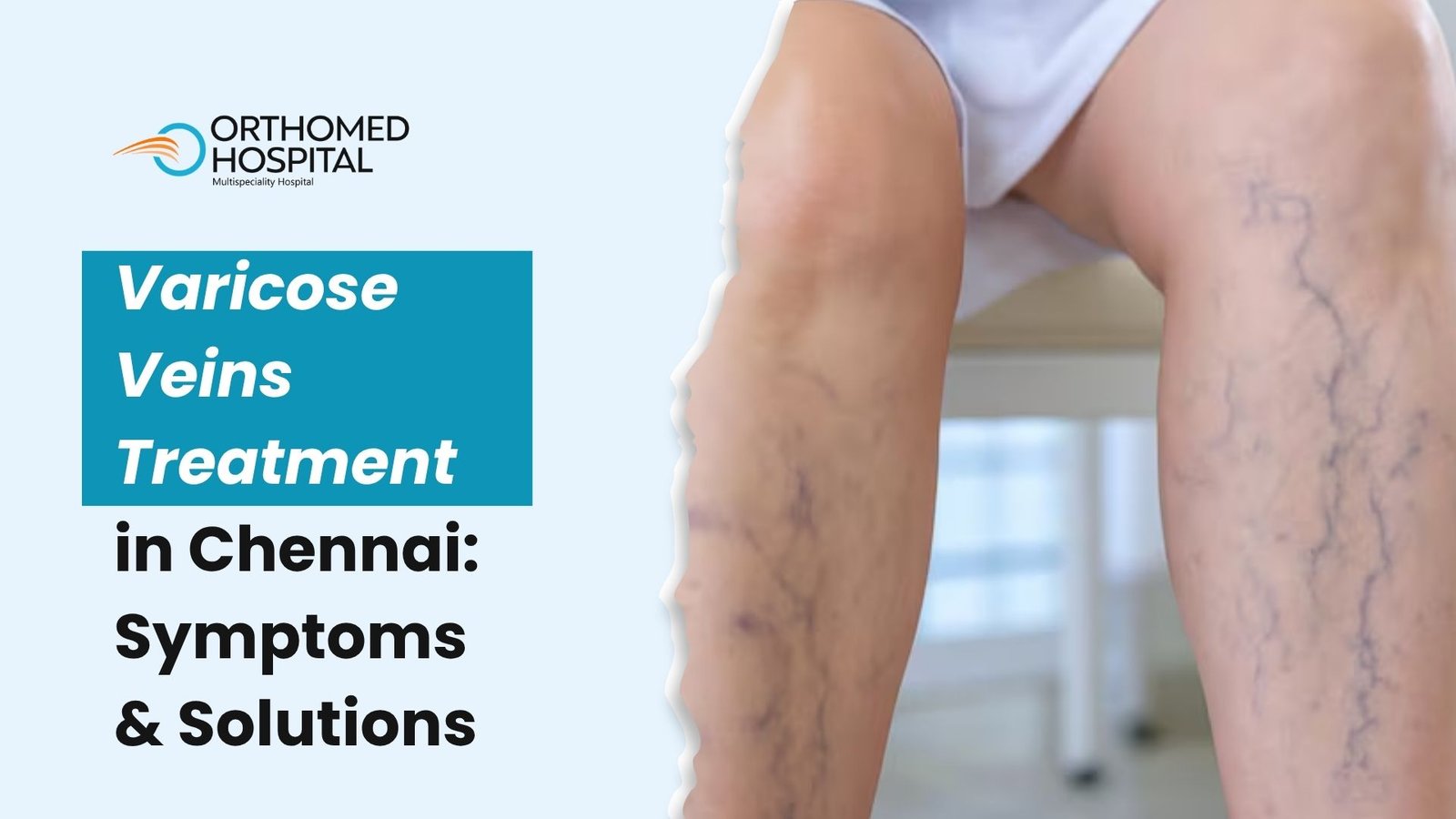
Varicose veins are a common vascular condition affecting millions of people worldwide. They appear as enlarged, twisted, and swollen veins, usually visible beneath the skin of the legs and feet. While many people initially consider varicose veins a cosmetic concern, untreated vein problems can lead to pain, swelling, skin changes, and serious circulation complications over time. Modern advancements in vascular care now offer safe and minimally invasive solutions for varicose veins. If you are searching for effective Varicose Veins Treatment in Chennai, understanding the symptoms, causes, treatment options, and complications can help you make informed healthcare decisions. This comprehensive guide explains everything you need to know about varicose veins, including advanced treatment methods, prevention strategies, recovery expectations, and cost considerations.Understanding Varicose Veins and Why They Develop
Veins are responsible for carrying blood back to the heart. Inside the veins are tiny valves that prevent blood from flowing backward. When these valves weaken or become damaged, blood begins to pool inside the veins instead of flowing efficiently upward. Over time, this increased pressure causes veins to enlarge, twist, and bulge, resulting in varicose veins. Varicose veins commonly affect:- Legs
- Calves
- Ankles
- Feet
Why Varicose Veins Are More Than a Cosmetic Concern
Many people ignore varicose veins until symptoms become severe. However, vein disease can gradually worsen and affect circulation, mobility, and overall quality of life. Untreated varicose veins may lead to:- Chronic pain
- Swelling
- Skin discoloration
- Venous ulcers
- Blood clots
Major Causes Behind Varicose Veins
Several lifestyle, genetic, and medical factors contribute to the development of varicose veins.Weak or Damaged Vein Valves
Healthy vein valves ensure one-way blood flow toward the heart. When these valves weaken, blood collects inside the veins, increasing pressure and causing enlargement.Prolonged Standing or Sitting
People who stand or sit for long periods experience increased pressure in the leg veins.High-Risk Occupations Include:
Teachers- Nurses
- Retail workers
- Office employees
- Factory workers
Pregnancy
Pregnancy increases blood volume and places additional pressure on leg veins. Hormonal changes also relax blood vessel walls, making vein enlargement more likely.Obesity
Excess body weight places added strain on the veins and affects healthy circulation.Aging
As people age, vein elasticity decreases and valves naturally weaken over time.Family History
Genetics play a significant role. Individuals with a family history of vein disease are at higher risk.Hormonal Changes
Hormonal fluctuations during menopause, puberty, or hormone therapy can affect vein strength.Lack of Physical Activity
Poor circulation due to sedentary lifestyles contributes to vein problems.Early Warning Signs and Symptoms of Varicose Veins
Varicose veins may begin with mild symptoms before becoming more noticeable.Visible Enlarged Veins
The most common sign is bulging blue or purple veins visible beneath the skin.Leg Pain and Heaviness
Many people experience: Aching pain Burning sensation Heaviness in the legs Throbbing discomfort Symptoms often worsen after standing for long periods.Swelling in Legs and Ankles
Fluid buildup due to poor circulation can cause noticeable swelling.Itching Around Veins
Skin irritation and itching commonly occur around affected veins.Muscle Cramps
Nighttime leg cramps and restlessness may develop.Skin Discoloration
Chronic vein disease can cause darkening or hardening of the skin near the ankles.Fatigue in the Legs
Poor circulation often leads to tired and uncomfortable legs.When Should You Seek Medical Attention?
You should consult a vascular specialist if you experience:- Persistent leg pain
- Swelling
- Skin changes
- Bleeding veins
- Non-healing sores
- Sudden redness or warmth
How Varicose Veins Are Diagnosed
Proper diagnosis helps determine the severity of vein disease and guides treatment planning.Clinical Examination
Doctors assess:- Visible veins
- Skin condition
- Swelling
- Symptoms
Doppler Ultrasound Scan
This imaging test evaluates blood flow and identifies damaged valves or blocked veins. It is painless, non-invasive, and highly accurate.Modern Treatment Options for Varicose Veins
Today, advanced minimally invasive procedures provide effective and faster recovery compared to traditional surgery.Lifestyle and Conservative Management
Mild cases may improve with lifestyle changes.Recommendations Include:
- Weight management
- Regular walking
- Leg elevation
- Avoiding prolonged standing
- Exercise
Compression Stockings
Special medical stockings improve blood flow and reduce swelling. These are often recommended:- During early stages
- During pregnancy
- After treatment procedures
Sclerotherapy
A special solution is injected into smaller varicose veins, causing them to collapse and gradually fade.Benefits:
- Non-surgical
- Minimal discomfort
- Outpatient procedure
Laser Treatment for Varicose Veins
Laser therapy uses focused heat energy to close damaged veins.Advantages:
Minimally invasive- Quick recovery
- Minimal scarring
- Reduced pain
Endovenous Laser Therapy (EVLT)
EVLT is an advanced procedure where a laser fiber is inserted into the affected vein under ultrasound guidance. The heat seals the vein, redirecting blood flow to healthier veins.Benefits of EVLT:
- No large incisions
- Faster healing
- High success rates
- Day-care procedure
Radiofrequency Ablation (RFA)
RFA uses radiofrequency energy to heat and close faulty veins.Advantages:
- Less postoperative pain
- Quick return to normal activities
- Excellent cosmetic results
Surgical Vein Removal
In severe cases, traditional surgery may still be necessary. However, modern minimally invasive techniques are now preferred in most patients.Understanding the Cost of Varicose Veins Treatment
The cost of treatment depends on multiple factors.Factors Affecting Treatment Cost
Severity of Vein Disease
Advanced cases may require more extensive procedures.Type of Procedure
Laser treatments and minimally invasive procedures may differ in pricing.Number of Veins Treated
Larger treatment areas may increase overall costs.Hospital Facilities and Expertise
Experienced vascular specialists and advanced technology influence pricing.Diagnostic Tests
Ultrasound and follow-up evaluations may be included. Patients are encouraged to consult their vascular specialist for a personalized cost estimate based on individual needs.Recovery After Varicose Veins Treatment
Recovery time depends on the type of procedure performed.General Recovery Tips
Walk regularly after treatment Wear compression stockings Avoid heavy lifting initially Elevate legs while resting Stay hydrated Most minimally invasive procedures allow patients to return to daily activities within a few days.What Happens If Varicose Veins Are Left Untreated?
Ignoring varicose veins can lead to worsening circulation problems and serious complications.Chronic Venous Insufficiency
Blood pools in the veins, causing long-term circulation issues.Venous Ulcers
Poor circulation may lead to painful open sores near the ankles. These ulcers heal slowly and require specialized care.Blood Clots
Damaged veins increase the risk of clot formation.Symptoms May Include:
- Sudden swelling
- Redness
- Warmth
- Severe pain
Skin Damage and Discoloration
Long-standing vein disease can permanently affect skin texture and color.Bleeding Veins
Varicose veins close to the skin surface may rupture and bleed.Lifestyle Tips to Prevent Varicose Veins
Preventive habits can improve circulation and reduce the risk of vein disease.Stay Physically Active
Walking and exercise improve blood flow.Maintain Healthy Body Weight
Weight management reduces pressure on leg veins.Avoid Long Hours of Standing or Sitting
Take regular breaks to move and stretch.Elevate Your Legs
Leg elevation helps improve venous return.Wear Comfortable Footwear
Avoid extremely high heels for prolonged periods.Follow a Healthy Diet
A balanced diet supports vascular health and circulation.Living Comfortably with Varicose Veins
Even after treatment, long-term vein care remains important.Helpful Habits Include:
- Staying active
- Wearing compression stockings if advised
- Maintaining healthy weight
- Following medical advice
- Attending regular follow-ups
Why Early Treatment Matters
Seeking early treatment:- Prevents complications
- Improves circulation
- Reduces pain
- Enhances cosmetic appearance
- Improves quality of life
Conclusion
Varicose veins are more than just a cosmetic issue. They are a sign of underlying vein dysfunction that can worsen over time if left untreated. Understanding the symptoms, causes, risk factors, and modern treatment options is essential for maintaining healthy circulation and preventing complications. Fortunately, advanced minimally invasive procedures such as laser therapy, EVLT, and radiofrequency ablation have transformed Varicose Veins Treatment in Chennai, offering faster recovery and highly effective results. If you experience leg pain, swelling, visible veins, or skin changes, consulting a vascular specialist early can help you receive the right treatment and improve your overall vascular health.Frequently Asked Questions (FAQ) About Varicose Veins Treatment
1. What are varicose veins? Varicose veins are enlarged, twisted, and swollen veins that usually appear in the legs due to weakened vein valves and poor blood circulation.2. What causes varicose veins? Common causes include prolonged standing, obesity, pregnancy, aging, hormonal changes, family history, and lack of physical activity.
3. Are varicose veins dangerous? In the early stages, they may be mild, but untreated varicose veins can lead to pain, swelling, ulcers, blood clots, and chronic circulation problems.
4. What are the common symptoms of varicose veins? Symptoms may include:
- Bulging veins
- Leg pain
- Heaviness in the legs
- Swelling
- Burning sensation
- Itching
- Night cramps
You should consult a specialist if you experience persistent pain, swelling, skin discoloration, bleeding veins, or non-healing wounds.
6. How are varicose veins diagnosed?
Doctors usually diagnose varicose veins through physical examination and Doppler ultrasound scans to assess blood flow and vein function.
7. What is Doppler ultrasound for varicose veins?
A Doppler ultrasound is a painless imaging test that evaluates blood circulation and identifies damaged or blocked veins.
8. What are the treatment options for varicose veins?
Treatment options may include:
- Lifestyle changes
- Compression stockings
- Sclerotherapy
- Laser treatment
- Endovenous Laser Therapy (EVLT)
- Radiofrequency Ablation (RFA)
- Surgery in severe cases
9. Is laser treatment effective for varicose veins?
Yes, laser treatment is highly effective, minimally invasive, and offers faster recovery with minimal scarring.
10. What is EVLT treatment?
Endovenous Laser Therapy (EVLT) is an advanced minimally invasive procedure that uses laser energy to close damaged veins.
11. Is varicose veins treatment painful?
Most modern treatments involve minimal discomfort and are performed under local anesthesia or mild sedation.
12. How long does recovery take after treatment?
Most patients can return to normal activities within a few days after minimally invasive procedures.
13. Can varicose veins come back after treatment?
New varicose veins can develop over time, especially if preventive measures are not followed.
14. How can I prevent varicose veins? You can reduce your risk by:
- Exercising regularly
- Maintaining healthy weight
- Avoiding prolonged standing
- Elevating your legs Wearing compression
- stockings if advised
Yes, compression stockings improve blood circulation, reduce swelling, and relieve discomfort.
16. Can pregnancy cause varicose veins?
Yes, pregnancy increases pressure on leg veins and hormonal changes may weaken vein walls.
17. What happens if varicose veins are left untreated?
Untreated varicose veins may lead to skin damage, ulcers, bleeding, blood clots, and chronic venous insufficiency.
18. Is walking good for varicose veins?
Yes, walking improves circulation and helps reduce pressure in the leg veins.
19. How much does varicose veins treatment cost in Chennai?
The cost depends on the severity of the condition, treatment type, hospital facilities, and specialist expertise.
20. Are minimally invasive treatments better than surgery? In many cases, minimally invasive treatments like EVLT and RFA provide quicker recovery, less pain, and excellent results compared to traditional surgery.
Comments are closed